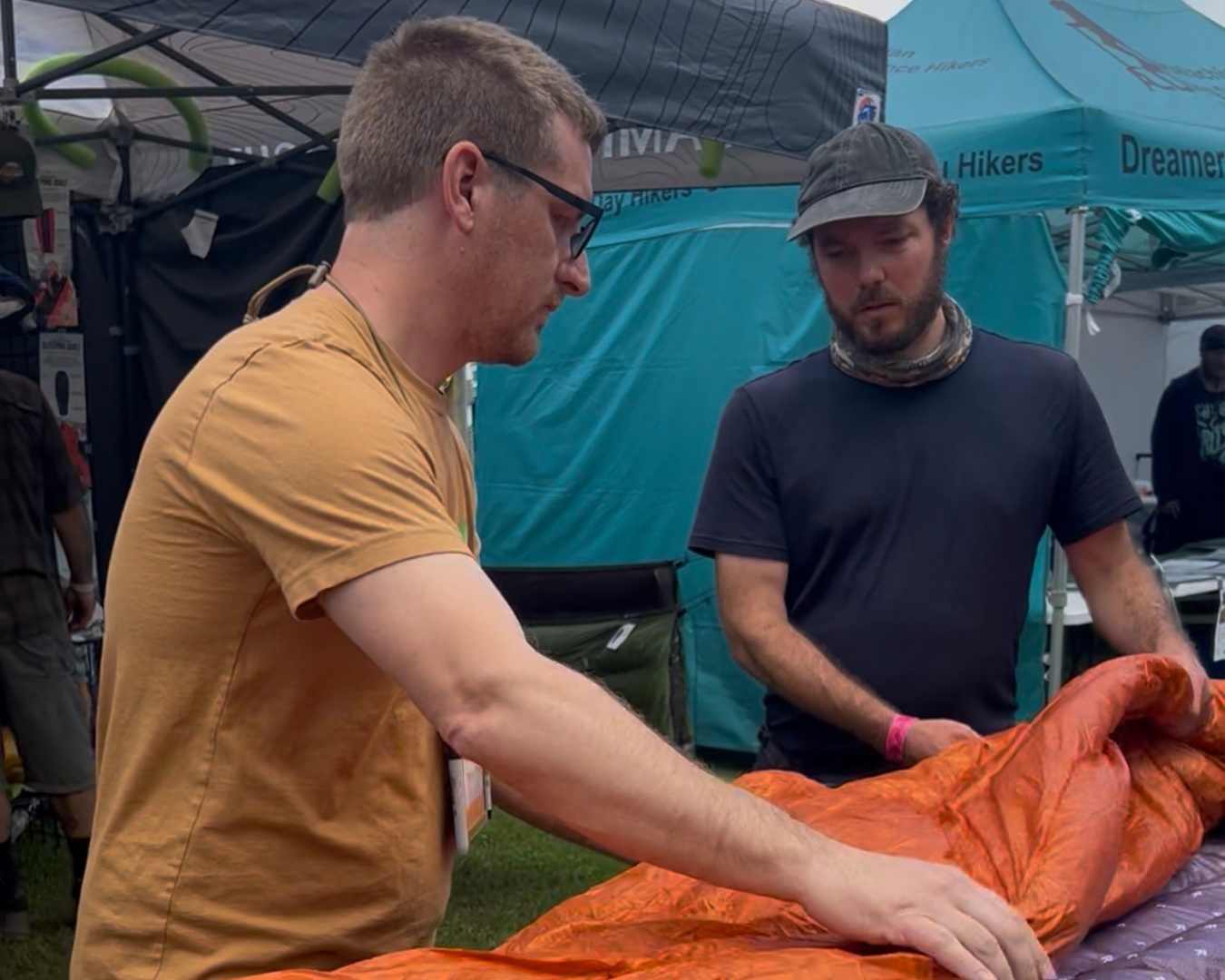
In 2007, founder Tim Marshall started sewing quilts in his basement with a simple goal: create lighter, more efficient gear for people who wanted to move farther and faster outdoors. What began as a one-person passion project quickly gained momentum as more adventurers discovered the performance and craftsmanship behind his designs. Today, that basement operation has grown into a thriving company built on innovation, quality, and a deep understanding of what outdoor enthusiasts truly need.
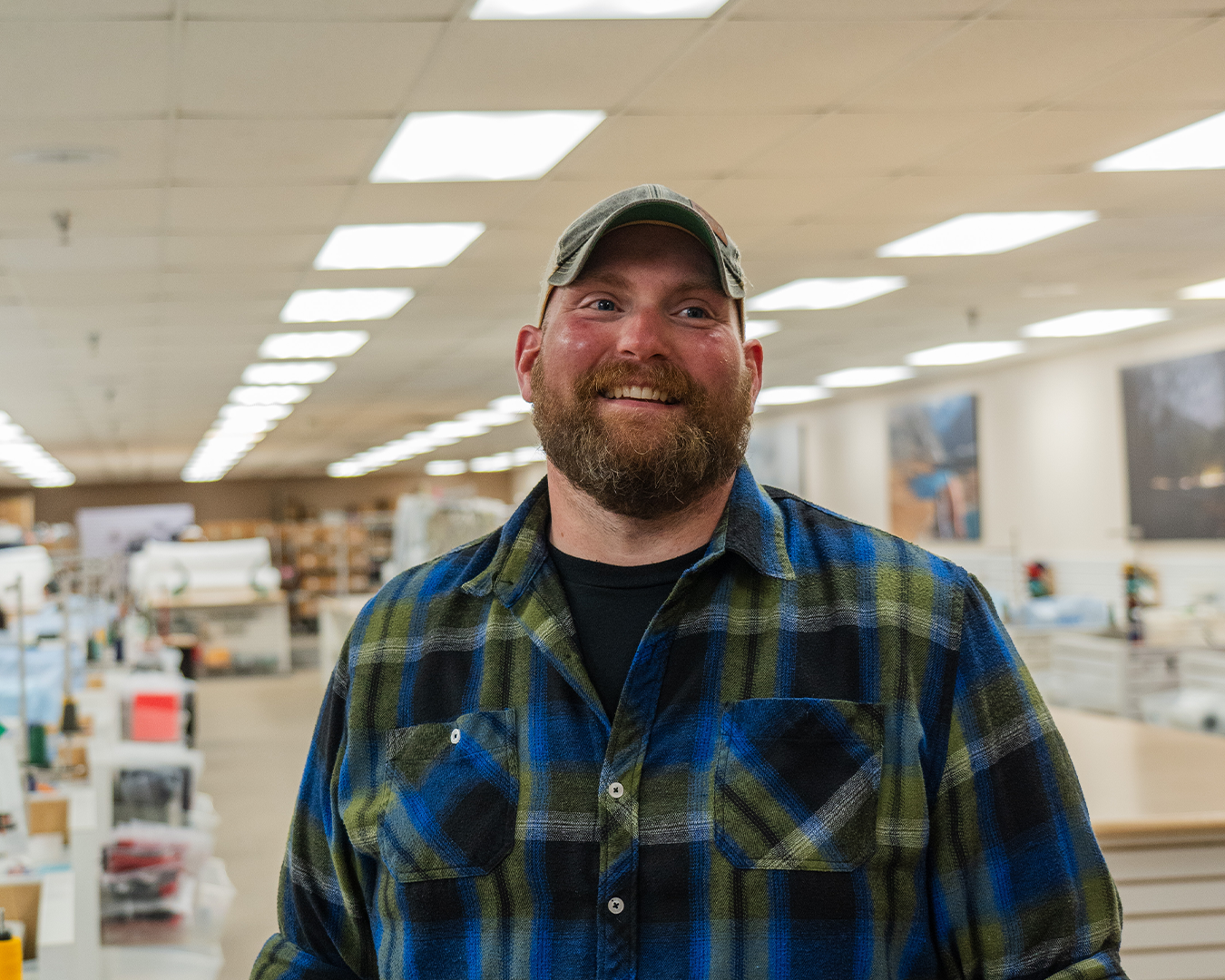
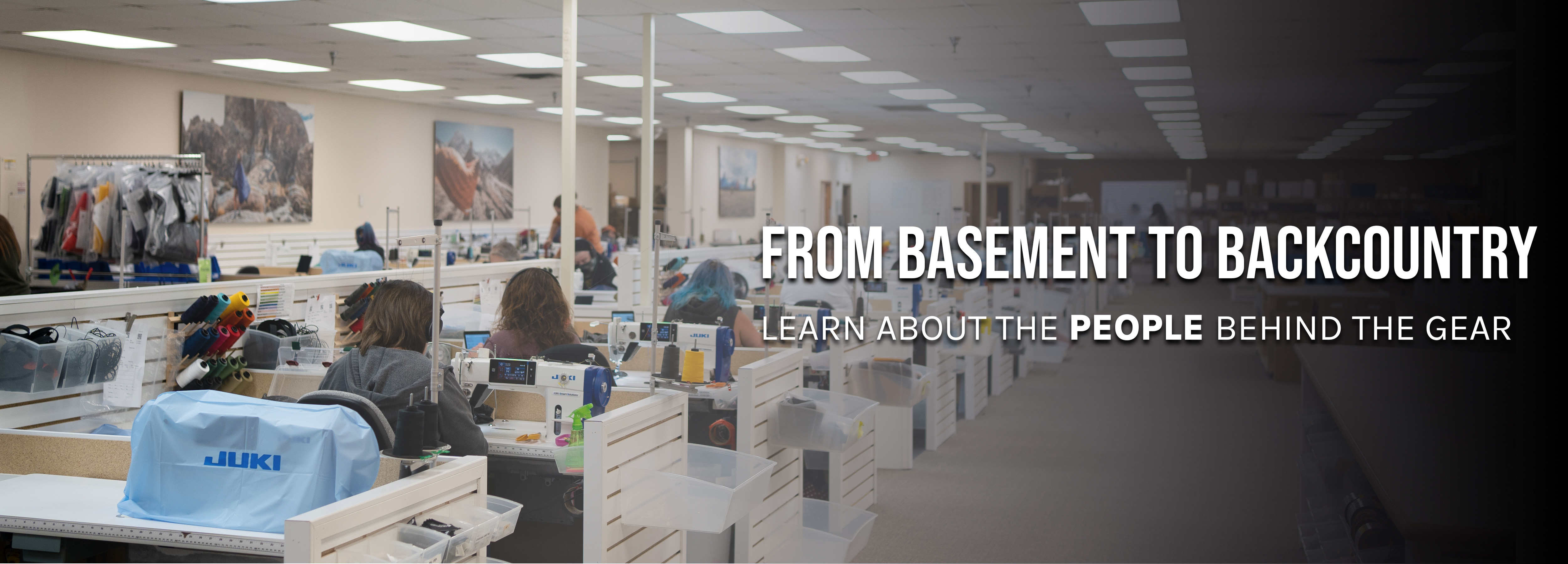
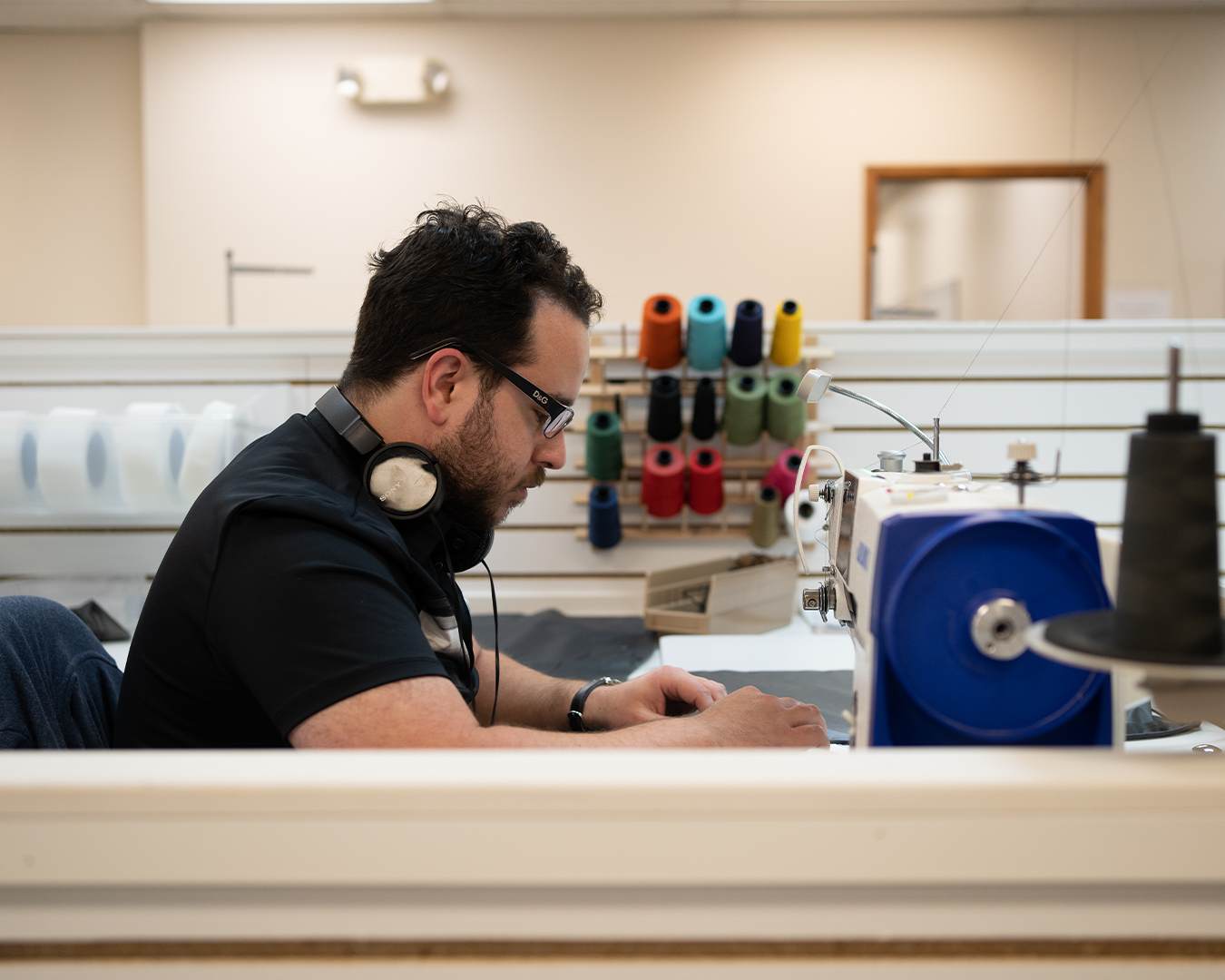
Today, the company has grown into a team of more than 50 employees designing and building quilts, apparel, and accessories from a 50,000-square-foot facility in Winona, Minnesota. Every product reflects the same spirit that started it all: practical innovation, dependable craftsmanship, and a commitment to making outdoor gear that helps people go farther, lighter, and more comfortably.
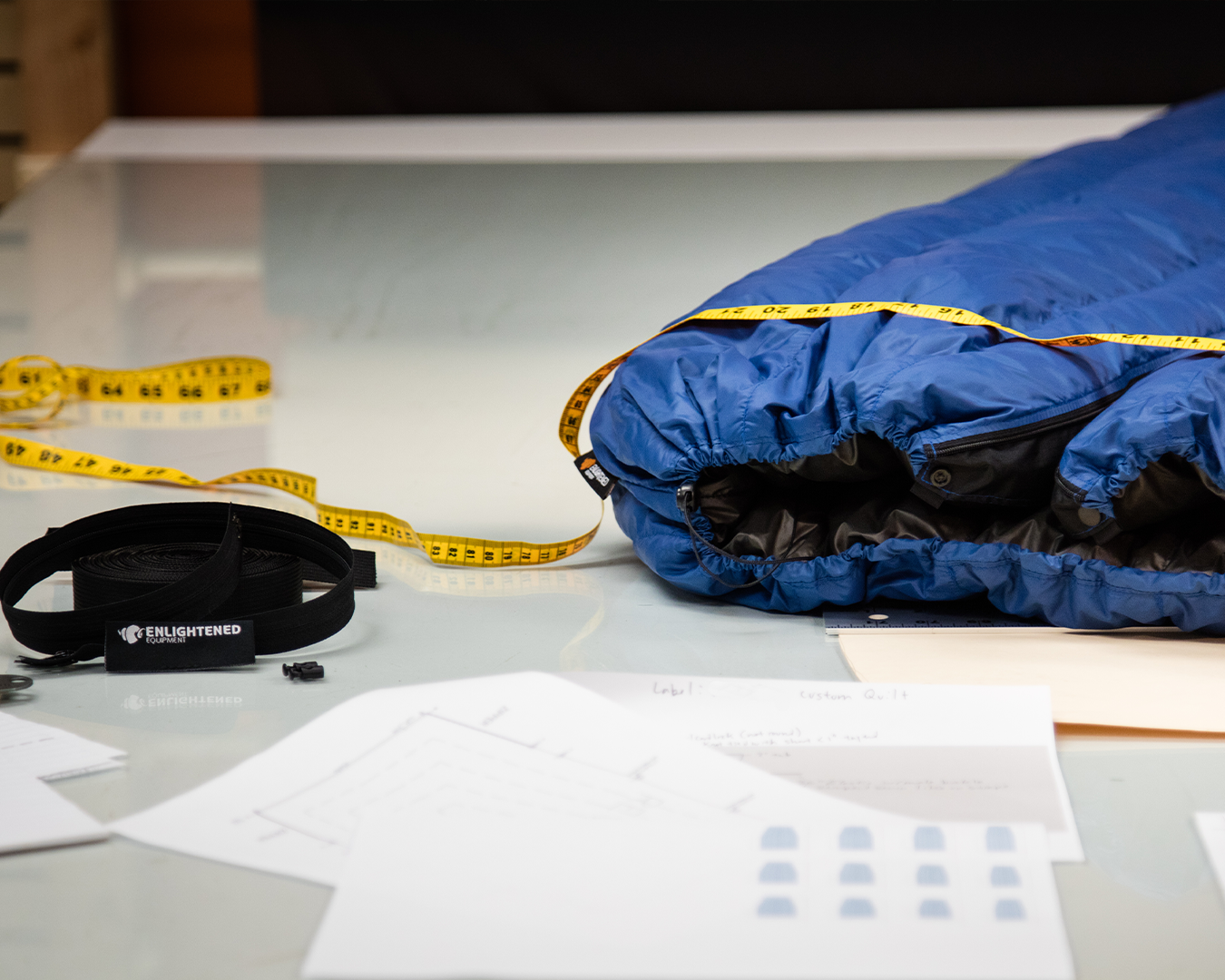
More than a decade after that first quilt was sewn, our purpose remains the same: to craft custom, handmade gear that helps people venture into wild places, embrace the journey, and feel more connected to the world outdoors.
Our goal is simple: build smarter, lighter gear that’s ready to go wherever you do.

Employee

Benefits

  • Competitive pay
  • Health benefits
  • Paid time off
  • Growth opportunities

Employee

Perks

  • Gear discounts
  • Outdoor culture
  • Team events
  • Flexible work environment

CAUSES WE SUPPORT

We’re proud to support these organizations and projects that make a difference. Take a moment to learn more and see who we support.

LONG DISTANCE BACKPACKERS NOW USE QUILTS MORE THAN SLEEPING BAGS, AND IT’S EASY TO SEE WHY.

How do you use a sleeping quilt?1

Sleeping quilts are used as a part of a sleep system that usually includes your tent, your sleeping pad, your sleeping quilt or bag, and base layer cloths. Without each of these pieces accounted for in the conditions you expect to be sleeping in, your system may fail, and your other parts of your sleep system cannot make up for it. For example, your 0° sleeping quilt will not be able to keep you warm if your heat is lost beneath you by having an inadequate sleeping pad..

How do you attach a quilt to a sleeping pad?1

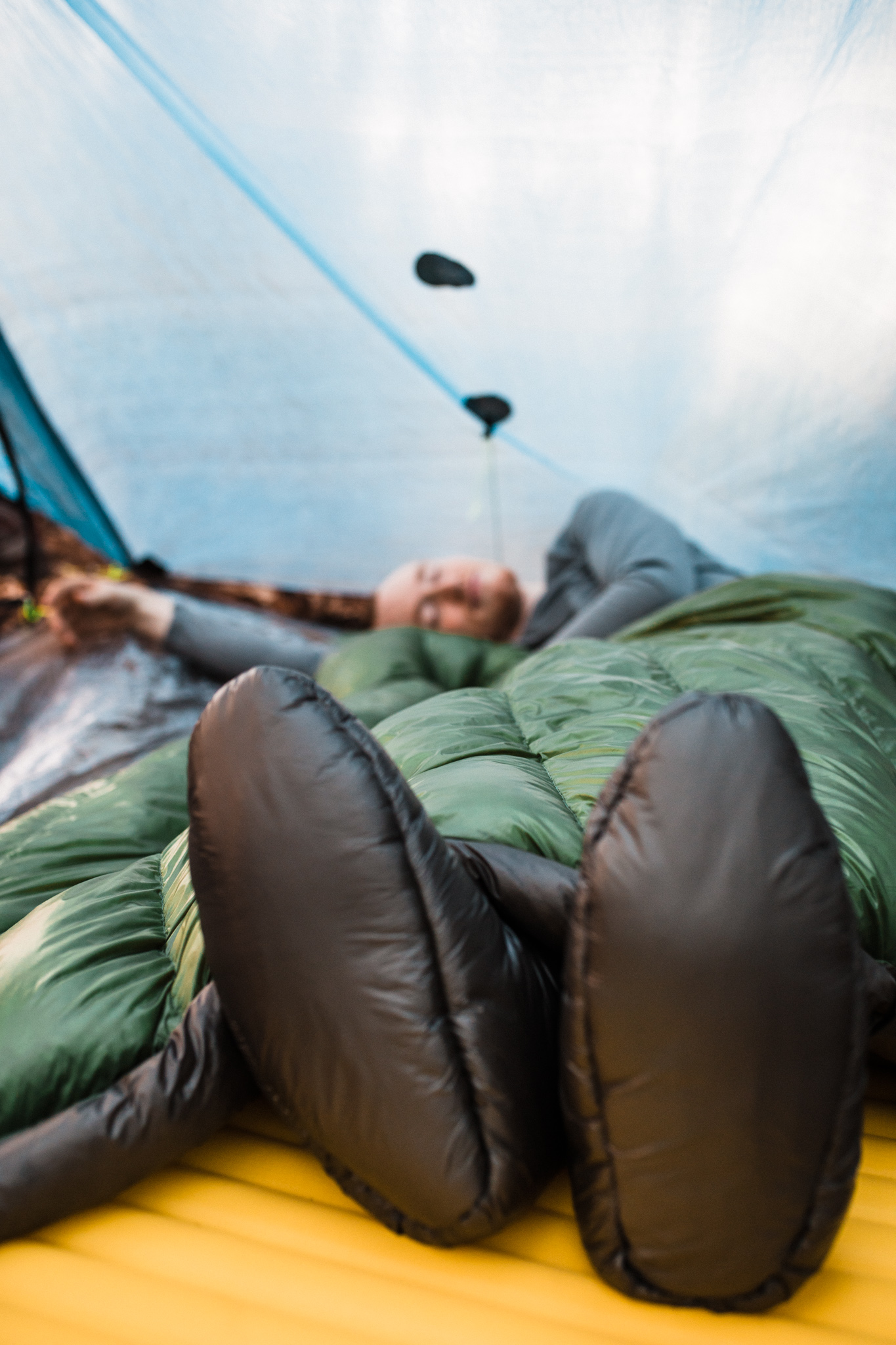
Quilts use strap systems to attach the quilt to your sleeping pad. This usually includes some combination of either flat straps, or loop straps, which loop around the pad, then attach the quilt via clips..

Is a quilt or sleeping bag warmer? 1

Both Sleeping Quilts and Bags use temperature rating to measure their level of warmth, meaning that a 20° sleeping quilt should be equally warm (when used properly) against a 20° sleeping bag. In extreme cold conditions, having your body fully encapsulated by a sleeping bag may create extra layers of failsafe for keeping out moisture and drafts.

Are quilts good for side sleepers? 1

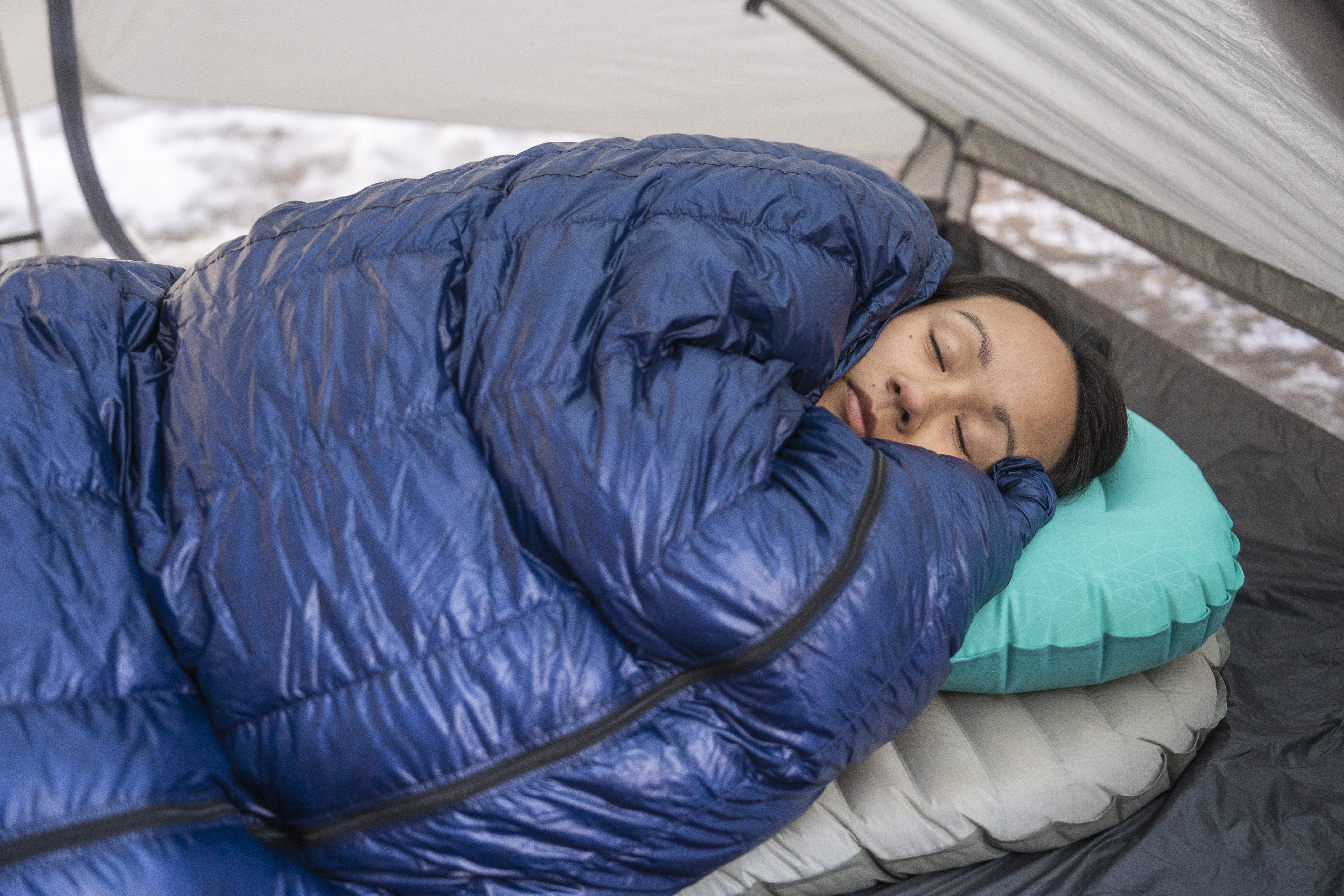
Because of their ability to be opened and moved within more freely, quilts are generally better for side sleepers. Quilts allow you to sleep more naturally while in blanket-mode, and allow you to choose how secure/tight to your body the quilt sits on colder nights.

What’s the difference between a sleeping bag and sleeping quilt?1

Sleeping bags fully encompass the user head-to-toe, while sleeping quilts only cover the most necessary parts of the body. Sleeping quilts lack the hood of a sleeping bag, as well as the insulation underneath your body in exchange for a more highly versatile sleeping experience. Sleeping quilts can be formed as blankets, or closer to full bags, depending on the temperatures and variables the night calls for, while sleeping bags will only wrap around the user fully in the 'mummy bag' fashion.